Vitamin B5: Benefits, Sources, and Daily Requirements
Vitamin B5, also known as Pantothenic Acid, is a water-soluble B-complex vitamin essential for energy metabolism. It plays a critical role in the breakdown of carbohydrates, proteins, and fats to release energy and is also involved in alcohol metabolism, hormone production, and cell division.
Though its deficiency is rare, Vitamin B5 contributes to various bodily functions, including anti-aging effects, immune support, and stress regulation.
Functions and Benefits of Vitamin B5
- Relieves Stress
Pantothenic acid is often referred to as the “anti-stress” vitamin. It plays a major role in the regulation of adrenal hormones, particularly cortisol and adrenaline, which are responsible for the body’s "fight or flight" response.
A sufficient supply of Vitamin B5 helps regulate these hormones, protecting the body from the harmful effects of prolonged stress. A deficiency may impair the body’s ability to cope with daily stress and lead to mental fatigue. - Improves Heart Health
Pantothenic acid is converted into pantethine, which has been shown to lower LDL (bad cholesterol) and total cholesterol levels. Studies suggest that pantethine is a well-tolerated, safe and effective hypolipidemic agent. However, supplementation should be taken under medical advice. - Supports Immune Function
Research on mice infected with Mycobacterium tuberculosis showed that oral administration of Vitamin B5 boosted phagocytosis and reduced infection severity, suggesting that Pantothenic acid could enhance immune response, especially in infections like tuberculosis. - Accelerates Wound Recovery
Pantothenic acid and its derivative panthenol have been shown to accelerate wound healing. Topical application helps restore damaged skin and promote tissue regeneration. - Prevents Rheumatoid Arthritis
Studies have shown that people with low levels of Vitamin B5 tend to have more severe symptoms of rheumatoid arthritis. Adequate intake, along with other vitamins like Vitamin E and Vitamin C, can help in symptom management. - Skin Care and Anti-Aging
Panthenol, a form of Vitamin B5, is widely used in cosmetic products for its moisturizing and soothing properties. It enhances skin hydration, reduces water loss, and helps maintain soft, smooth skin. Regular intake may also slow down aging effects.
Sources of Vitamin B5
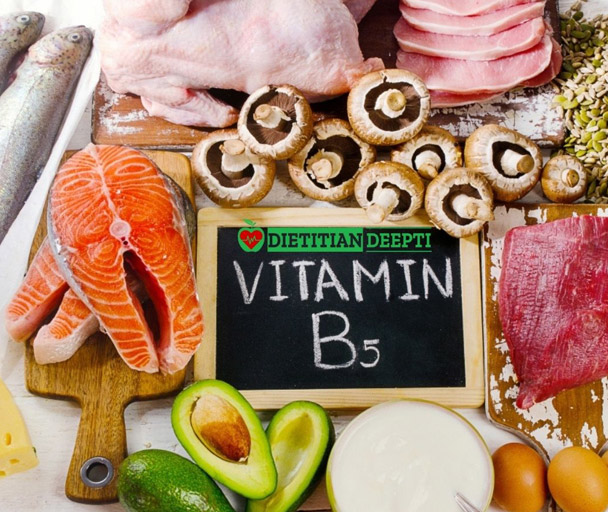
The name “Pantothenic” is derived from the Greek word pantou, meaning “everywhere” — fitting, since this vitamin is present in almost all foods, making deficiency rare.
Some of the richest dietary sources of Vitamin B5 (per 100 grams) include:
| Food Item | Vitamin B5 (mg) | Daily Value (%) |
|---|---|---|
| Beef liver | 9.32 mg | 186% |
| Pork liver | 7.93 mg | 158% |
| Goat liver | 7.01 mg | 140% |
| Sheep liver | 6.95 mg | 139% |
| Black gram (whole) | 3.98 mg | 79.6% |
| Egg yolk (boiled) | 2.57 mg | 51% |
| Bengal gram (whole) | 2.3 mg | 46% |
| Hilsa fish | 2.3 mg | 46% |
| Mushrooms | 2.3 mg | 46% |
| Rajmah (kidney beans) | 2.06 mg | 41% |
| Green gram (whole) | 2.02 mg | 40% |
| Bael fruit | 1.68 mg | 33% |
| Tiger prawn | 1.64 mg | 32% |
| Crab | 1.53 mg | 30% |
| Bombay duck | 1.48 mg | 29.6% |
| Lobster | 1.44 mg | 28.8% |
| Tuna | 1.34 mg | 26.8% |
| Squid | 1.22 mg | 24.4% |
| Rohu (fish) | 1.18 mg | 23.6% |
| Chicken breast | 1.15 mg | 23% |
| Clam | 1.14 mg | 22.8% |
| Whole wheat | 1.08 mg | 21.6% |
Other good sources include: legumes, whole grains, wheat germ, asparagus, almonds, oats, peas, oranges, soybeans, sunflower seeds, sun-dried tomatoes, broccoli, cauliflower, and salmon.
Recommended Dietary Allowance (RDA) of Vitamin B5
| Age Group | RDA (mg/day) |
|---|---|
| Infants (0–6 months) | 1.7 mg |
| Infants (7–12 months) | 1.8 mg |
| Children (1–3 years) | 2 mg |
| Children (4–8 years) | 3 mg |
| Children (9–13 years) | 4 mg |
| Adolescents (14–18 years) | 5 mg |
| Adults (19+ years) | 5 mg |
Symptoms of Vitamin B5 Deficiency
Though rare, deficiency symptoms may include:
- Fatigue and weakness
- Anemia
- Insomnia
- Vomiting
- Muscle cramps
- Hair loss
- Premature aging
- Headaches
- Respiratory infections
- Diarrhea
- Skin irritation or eczema
- Nervousness or mood changes
- Burning sensations in hands and feet
Causes of Deficiency
- Malabsorption disorders
- Advanced age
- Severe malnutrition
- Excessive intake of tea and coffee (which can inhibit absorption)
While Vitamin B5 deficiency is uncommon due to its wide availability in foods, it remains crucial for overall health — from managing stress to protecting the heart, supporting immunity, and maintaining youthful skin.
To ensure your body functions optimally, include a variety of whole, nutrient-dense foods in your diet. And, as always, consult your healthcare provider before starting any supplements.
If you found this article helpful, don’t forget to share it with your friends and family to help them on their own health and wellness journeys!