Vitamin B3: Sources, Benefits, and Deficiency
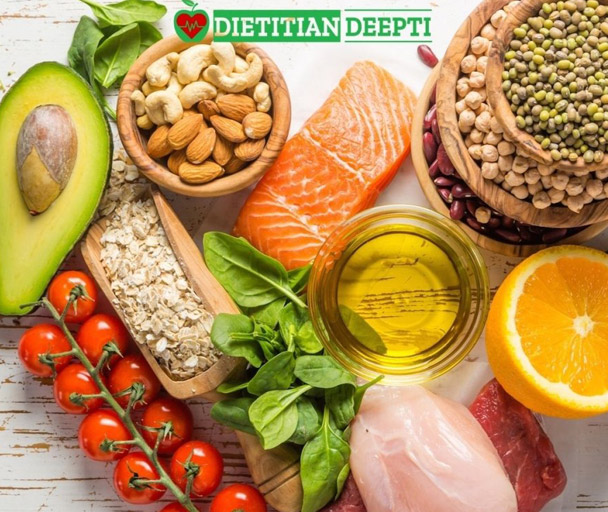
Vitamin B3, also known as Niacin, is a water-soluble vitamin essential for the proper functioning of the brain and peripheral nervous system. An adequate daily intake of Vitamin B3 helps prevent coronary heart disease and heart failure.
Health Benefits of Vitamin B3
- Supports Heart Health : Vitamin B3 lowers total cholesterol, LDL (bad cholesterol), and triglyceride levels, while increasing HDL (good cholesterol). This makes it one of the most effective agents for raising HDL cholesterol, thereby reducing the risk of heart disease. However, high doses needed for cholesterol control should only be taken under medical supervision, as they may cause side effects like liver damage and gastrointestinal discomfort.
- Protects Skin : Niacin offers sun protection for skin cells. When applied topically, it helps reduce redness, discoloration, and fine wrinkles, making it a common ingredient in skincare products. It also helps reduce inflammation linked to atherosclerosis.
- Promotes Mental Health : Niacin plays a role in the production of neurotransmitters. A deficiency can lead to anxiety and depression. Supplementation improves cerebral blood flow and may alleviate symptoms of depression and neurodegenerative diseases. It may also support treatment of schizophrenia when combined with Vitamin C—but only under a doctor’s care.
- Delays Skin Aging : Consuming niacin-rich foods like green leafy vegetables, eggs, liver, and milk from an early age supports healthy skin and reduces the need for anti-aging treatments later in life.
Dietary Sources of Vitamin B3
As a water-soluble vitamin, niacin cannot be stored in the body and must be consumed daily. The body cannot produce it in sufficient amounts, so dietary intake is crucial. Below are some rich sources of Vitamin B3 with their percentage of daily value per 100 grams:
| Food Item | Niacin Content | Daily Value (%) |
|---|---|---|
| Sheep liver | 15.66 mg | 87% |
| Beef liver | 14.1 mg | 78% |
| Pork liver | 13.7 mg | 76% |
| Goat liver | 12.88 mg | 72% |
| Groundnut | 11.35 mg | 63% |
| Chicken breast | 8.06 mg | 44% |
| Garden cress seed | 5.67 mg | 31.5% |
| Chicken liver | 4.44 mg | 25% |
| Almond | 3.71 mg | 20% |
| Brown rice | 3.40 mg | 18% |
| Sesame seeds | 3.12 mg | 17.33% |
| Barley | 2.84 mg | 15.77% |
| Peas | 2.69 mg | 15% |
| Maize | 2.61 mg | 15% |
| Lentils (whole) | 2.54 mg | 14.11% |
| Parboiled rice | 2.51 mg | 13.94% |
| Green gram (whole) | 2.10 mg | 11.66% |
| Jowar | 2.16 mg | 12% |
Recommended Daily Allowance (RDA) of Vitamin B3
| Category | Type of Work / Age Group | Niacin Requirement (mg/day) |
|---|---|---|
| Men | Sedentary | 14 |
| Moderate | 18 | |
| Heavy | 23 | |
| Women | Sedentary | 11 |
| Moderate | 14 | |
| Heavy | 18 | |
| Pregnant Women | +2 | |
| Lactating Women | +5 | |
| Infants | 0–6 months | 2 |
| 6–12 months | 5 | |
| Children | 1–3 years | 7 |
| 4–6 years | 9 | |
| 7–9 years | 11 | |
| Boys | 10–12 years | 15 |
| 13–15 years | 19 | |
| 16–18 years | 22 | |
| Girls | 10–12 years | 14 |
| 13–15 years | 16 | |
| 16–18 years | 17 |
Symptoms of Vitamin B3 Deficiency
- Pellagra (characterized by diarrhea, dermatitis, and dementia)
- Depression
- Psychosis
- Vomiting and nausea
- Confusion
- Weight loss
- Liver damage
- Mouth irritation
- Burning sensations in throat, chest, or stomach
Causes of Deficiency
- Metabolic disorders
- Excessive use of diuretics
- High consumption of tea and coffee
- Malabsorption syndromes
Potential Side Effects of Vitamin B3 Overdose
While niacin is beneficial, excessive intake (especially through supplements) can cause:
- Liver damage
- Flushed skin
- Nausea and vomiting
- Insomnia
- A burning or tingling sensation
- Uneven heartbeat
- Muscle cramps
Note Always consult a healthcare professional before taking high-dose niacin supplements.
If you found this article helpful, don’t forget to share it with your friends and family to help them on their own health and wellness journeys!