Vitamin B1 : Functions, Sources, Benefits, and Deficiency
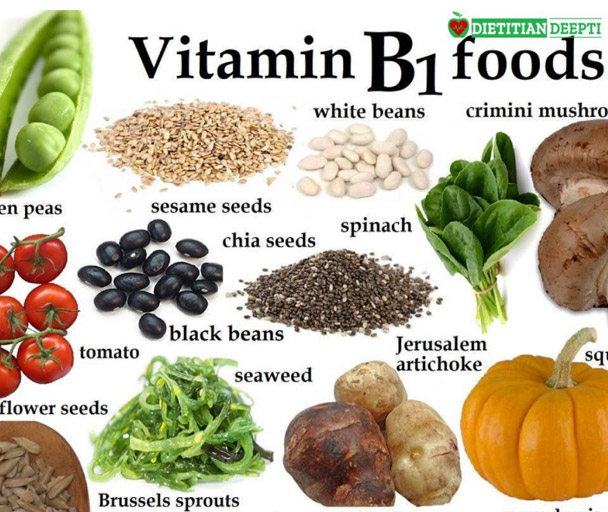
Vitamin B1, also known as thiamine, is a water-soluble vitamin essential for energy production and proper nervous system function. It acts as a coenzyme in the metabolism of carbohydrates, helping convert nutrients into energy in the form of ATP (Adenosine Triphosphate).
Functions of Vitamin B1
- Energy Production
Thiamine plays a crucial role in converting carbohydrates into ATP. It also aids in protein and fat metabolism, thereby supporting overall energy production. - Supports Nervous System Health
Thiamine is essential for the development and maintenance of the myelin sheath, which protects nerve cells. It also helps in the regeneration and proper functioning of the nervous system. - Maintains Cardiac Function
Thiamine is involved in the synthesis of acetylcholine, a neurotransmitter that enables communication between nerves and muscles. A deficiency can impair this process and negatively affect heart function. - Aids in Digestion
Thiamine supports digestion by regulating the production of hydrochloric acid (HCl) in the stomach, necessary for breaking down food. - Improves Brain Function
By ensuring efficient energy supply to the brain and maintaining the myelin sheath, thiamine enhances brain function and helps prevent cognitive decline. - Fights Depression
Deficiency of thiamine is linked to mood disorders. Adequate levels help improve mood and combat symptoms of depression. - Maintains Eye Health
Along with vitamins A and E, thiamine supports eye health and reduces the risk of developing cataracts.
Symptoms of Thiamine Deficiency
A lack of Vitamin B1 can disrupt metabolic processes and lead to several health issues:
- Fatigue and muscle weakness
- Nerve damage
- Depression and confusion
- Loss of appetite
- Nausea, vomiting, and diarrhea
- Constipation
- Rapid weight loss (anorexia)
- Central nervous system dysfunction
- Beriberi (characterized by muscle wasting, cardiovascular problems, and heart enlargement)
- Wernicke-Korsakoff Syndrome (a severe neurological disorder)
Causes of Deficiency
- Chronic alcohol consumption
- Old age
- Use of diuretics or certain antibiotics
- Excessive intake of tea or coffee
- Metabolic disorders
- Poor dietary intake
| Category | Type of Work / Age Group | Thiamine RDA (mg/day) |
|---|---|---|
| Men | Sedentary | 1.4 |
| Moderate | 1.8 | |
| Heavy work | 2.3 | |
| Women | Sedentary | 1.4 |
| Moderate | 1.7 | |
| Heavy work | 2.2 | |
| Pregnant Women | 2.0 | |
| Lactating Women | 2.1 | |
| Infants | 0–6 months | 0.2 |
| 6–12 months | 0.4 | |
| Children | 1–3 years | 0.7 |
| 4–6 years | 0.9 | |
| 7–9 years | 1.1 | |
| Boys | 10–12 years | 1.5 |
| 13–15 years | 1.9 | |
| 16–18 years | 2.2 | |
| Girls | 10–12 years | 1.4 |
| 13–15 years | 1.6 | |
| 16–18 years | 1.7 |
Food Sources of Thiamine (Per 100g)
| Food Item | Thiamine (mg) | % RDA |
|---|---|---|
| Pistachios | 0.98 | 42% |
| Poppy Seeds | 0.87 | 37% |
| Safflower Seeds | 0.85 | 36% |
| Red Gram (Whole) | 0.74 | 32% |
| Soybeans | 0.61 | 26% |
| Sunflower Seeds | 0.59 | 25% |
| Groundnuts | 0.57 | 24% |
| Dry Peas | 0.56 | 24% |
| Mustard Seeds | 0.55 | 23% |
| Rice Bran | 0.46 | 23% |
| Walnuts | 0.40 | 17% |
| Whole Lentils | 0.40 | 17% |
| Ragi (Finger Millet) | 0.37 | 16% |
| Gingelly Seeds | 0.36 | 15% |
| Mushrooms | 0.37 | 15% |
Cooking and Thiamine Loss
Since thiamine is water-soluble, cooking methods that use a lot of water (like boiling) may lead to nutrient loss. To retain thiamine in food, use steaming, roasting, or minimal-water cooking methods.
When to Use Supplements
In cases of severe deficiency, thiamine supplements may be necessary under the guidance of a dietitian or doctor.
If you found this article helpful, don’t forget to share it with your friends and family to help them on their own health and wellness journey!