Vitamin A: Sources, Benefits, and Deficiency
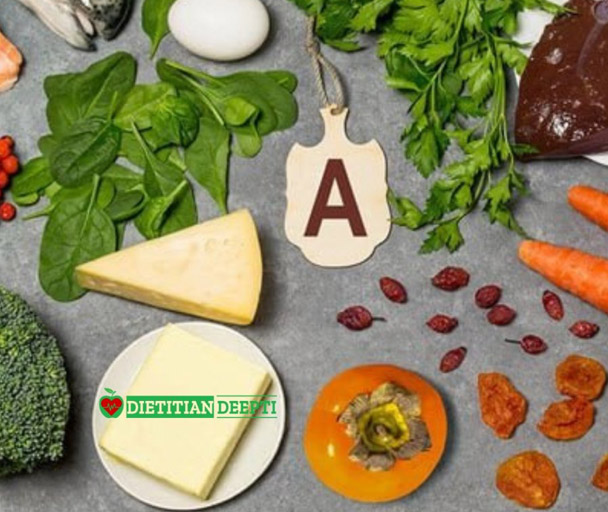
Vitamin A: The Powerhouse Nutrient for a Healthy Body
Vitamin A is a fat-soluble vitamin that plays an essential role in maintaining proper metabolism and overall health. Known for its powerful antioxidant properties, it is vital to ensure that we get enough of this vitamin to support various bodily functions.
Two Forms of Vitamin A: Retinol vs. Carotenoids
Vitamin A comes in two primary forms:
- Retinol (Preformed Vitamin A) – Found in animal sources, retinol is the active form of Vitamin A, which the body can use directly.
- Carotenoids (Pro-vitamin A) – These are plant-based compounds, the most well-known being Beta-carotene, which the body can convert into active Vitamin A. However, not all carotenoids can be converted into Vitamin A, although they still offer numerous health benefits.
Carotenoids are natural pigments produced by plants, algae, and some bacteria, classified into types like alpha-carotene, beta-carotene, and beta-cryptoxanthin. Among these, beta-carotene is the most important, as it can be converted into retinol in the intestinal mucosa.
Rich Sources of Vitamin A
Vitamin A is found in various food sources, both animal and plant-based. Here are some of the richest sources of Vitamin A:
Animal Sources (Retinol)
Values per 100 grams:
- Goat Liver – 15,655 mcg (1,565% of daily value)
- Beef Liver – 9,119 mcg (911% of daily value)
- Pork Liver – 8,759 mcg (875% of daily value)
- Chicken Liver – 3,486 mcg (348% of daily value)
- Boiled Egg Yolk – 456 mcg (45% of daily value)
Plant Sources (Beta-Carotene)
Values per 100 grams:
- Drumstick Leaves – 17,552 mcg (1,754% of daily value)
- Fenugreek Leaves – 9,245 mcg (924% of daily value)
- Amaranth Leaves – 8,553 mcg (855% of daily value)
- Carrot (Orange) – 5,423 mcg (542% of daily value)
- Sweet Potato (Brown Skin) – 5,376 mcg (537% of daily value)
- Carrot (Red) – 2,706 mcg (270% of daily value)
- Dates – 2,700 mcg (270% of daily value)
- Parsley – 2,710 mcg (271% of daily value)
- Spinach – 2,605 mcg (260% of daily value)
- Apricot – 1,806 mcg (180% of daily value)
- Mango (Kesar) – 1,264 mcg (126% of daily value)
- Lettuce – 1,285 mcg (128% of daily value)
- Tomato (Ripe) – 905 mcg (90% of daily value)
- Onion Stalk – 700 mcg (70% of daily value)
- French Beans – 413 mcg (41.3% of daily value)
- Capsicum (Green) – 328 mcg (32.8% of daily value)
- Maize – 186 mcg (18.6% of daily value)
- Bengal Gram Dal – 172 mcg (17.2% of daily value)
- Red Gram (Whole) – 149 mcg (14.9% of daily value)
- Green Gram (Whole) – 137 mcg (13.7% of daily value)
Key Benefits of Vitamin A
- Supports Eye Health
Vitamin A, particularly in the form of beta-carotene, helps protect eye health. It reduces oxidative stress caused by blue light exposure and UV rays. Two other carotenoids, lutein and zeaxanthin, also support eye health by protecting the retina and lens from damage. These carotenoids are found in green leafy vegetables, peas, and sweet corn. - Boosts Immunity
Vitamin A plays a crucial role in strengthening the immune system. It helps maintain the health of epithelial tissues and mucous membranes, which serve as the body’s first line of defense against infections. Deficiency in Vitamin A weakens immunity and increases susceptibility to illnesses. - Promotes Healthy Skin
Vitamin A nourishes the skin by supporting the regeneration of cells. Topical retinol (a form of Vitamin A) is often used to treat acne, reduce fine lines, and improve skin recovery. It also helps the skin heal wounds more effectively. - Reduces Inflammation
Vitamin A acts as an anti-inflammatory agent. It helps manage both innate and adaptive immune responses. Deficiency in Vitamin A can lead to increased inflammation, but supplementation can offer relief from conditions like acne and respiratory issues. - Strengthens Bones
While consuming Vitamin A from plant sources (like beta-carotene) is beneficial for bone health, high intake of retinol (from animal sources) can have the opposite effect, potentially weakening bones. It’s essential to balance Vitamin A intake with Vitamin D to support bone health. - Prevents Kidney Stones
Vitamin A is also important for kidney health. It helps restore kidney function and prevent the formation of kidney stones by improving glomerular filtration rates. - Reduces Infertility Risks
Adequate levels of Vitamin A are vital for the production of healthy sperm and reduce the risk of infertility in men. It also supports the proper development of the fetus during pregnancy. - Promotes Tissue Repair
Vitamin A aids in tissue repair and regeneration. It enhances the ability of the body to heal damaged tissues and supports the growth of new cells, particularly in the skin. - Acts as a Powerful Antioxidant
Beta-carotene, a type of carotenoid, acts as a potent antioxidant that neutralizes harmful free radicals in the body. This helps protect against chronic conditions, including heart disease. - Improves Mucus Membranes
Vitamin A is essential for the health of mucus membranes in both the respiratory and digestive tracts. It enhances cell differentiation in these tissues and boosts non-specific immunity.
Recommended Daily Intake of Vitamin A
| Category | Vitamin A (in mcg) |
|---|---|
| Men | 1,000 |
| Women | 840 |
| Pregnant Women | 900 |
| Lactating Women | 950 |
| Infants (0-6 months) | 350 |
| Children (1-3 years) | 390 |
| Children (4-6 years) | 510 |
| Children (7-9 years) | 630 |
| Boys (10-12 years) | 770 |
| Girls (10-12 years) | 790 |
Symptoms of Vitamin A Deficiency
- Night blindness
- Dry skin and hair
- Poor growth
- Weakened immune system
- Softened tooth enamel
- Xerophthalmia (dry eyes)
- Loss of appetite
Causes of Vitamin A Deficiency
- Diets low in Vitamin A
- Malabsorption
- Zinc deficiency
- Aging
Effects of Vitamin A Overdose
Because Vitamin A is fat-soluble, it is stored in the body and can accumulate if consumed in excess. Toxicity can lead to:
- Headaches
- Blurred vision
- Fatigue
- Bone and joint pain
- Hair loss
- Vomiting
- Liver damage
To avoid overdose, always consult with a healthcare provider before taking Vitamin A supplements.
Conclusion
Vitamin A is crucial for maintaining overall health, from supporting vision and immunity to promoting skin health and tissue repair. Ensure you get an adequate amount of Vitamin A through a balanced diet rich in both animal and plant sources.
Thanks for reading! Feel free to share this article with your friends and family.